When to Replace Your Tyres: What to Look For
Table Of Contents
Checking for Sidewall Damage
Tyre sidewalls are crucial for maintaining overall vehicle safety and performance. Inspecting them for any signs of wear or damage should be part of your regular vehicle maintenance routine. Look for cuts, bulges, or cracks on the surface. Such damage can weaken the tyre structure and potentially lead to blowouts. Remember that even minor imperfections may indicate underlying issues that require attention.
Environmental factors such as temperature changes and exposure to UV rays can exacerbate sidewall damage over time. It is important to remain vigilant, especially if tyres are subjected to rough road conditions. Regularly checking the sidewalls can help catch issues early, ensuring safer driving experiences. Addressing any concerns promptly can save you from more significant problems and costly replacements down the line.
Types of Sidewall Issues to Watch For
Inspecting the sidewalls of your tyres is crucial for ensuring safety while driving. Look for cuts, punctures, and blisters which can indicate serious issues. Small cuts may seem insignificant, but they can compromise the integrity of the tyre. Blisters or bulges often result from impacts or manufacturing defects. These deformities can weaken the tyre structure, increasing the risk of blowouts when driving at high speeds.
Another concern is sidewall abrasion, which occurs from rubbing against curbs or road hazards. This wear can weaken the tyre and lead to future failures. Similarly, checking for cracks is essential, particularly as the rubber ages. Cracked sidewalls are susceptible to further damage from sunlight and heat, leading to a potential tyre blowout. Regularly assessing these sidewall issues can help maintain tyre performance and road safety.
The Role of Seasonal Changes
Seasonal changes can significantly impact the performance and longevity of tyres. During summer, higher temperatures can lead to increased wear and tear, particularly on tyres that are already showing signs of stress. Road conditions can also worsen during this season due to the heat causing asphalt to soften, which may contribute to issues such as overheating and reduced traction. On the other hand, winter presents its own set of challenges. Cold temperatures can cause rubber to harden, leading to reduced grip and increased stopping distances.
Different weather conditions require specific tyre considerations to maintain safety and performance. In regions experiencing heavy rainfall, for instance, good tread depth and appropriate design for wet conditions are essential to prevent aquaplaning. In areas where snow and ice are common, winter tyres with deeper grooves and softer compounds can provide better traction. Being aware of these variables is crucial for drivers looking to optimise tyre performance throughout the year.
When to Change Tyres for Different Weather Conditions
Weather conditions can significantly affect tyre performance and safety. In warmer months, tyres are subject to increased wear due to higher temperatures. It is advisable to monitor tread depth and overall condition as the heat may cause rubber to degrade faster. For regions that experience heavy rainfall, switching to wet weather tyres can provide better traction and help prevent aquaplaning, ensuring safer driving.
As winter approaches, it is crucial to consider changing to winter tyres if frost or snow is common in your area. These tyres are designed to maintain flexibility in cold conditions, allowing for improved grip and shorter stopping distances. If temperatures consistently drop below seven degrees Celsius, investing in winter or all-season tyres can enhance safety and performance on slippery roads. Always keep an eye on weather forecasts and adjust your tyre selection accordingly to optimise driving conditions.
Professional Inspections
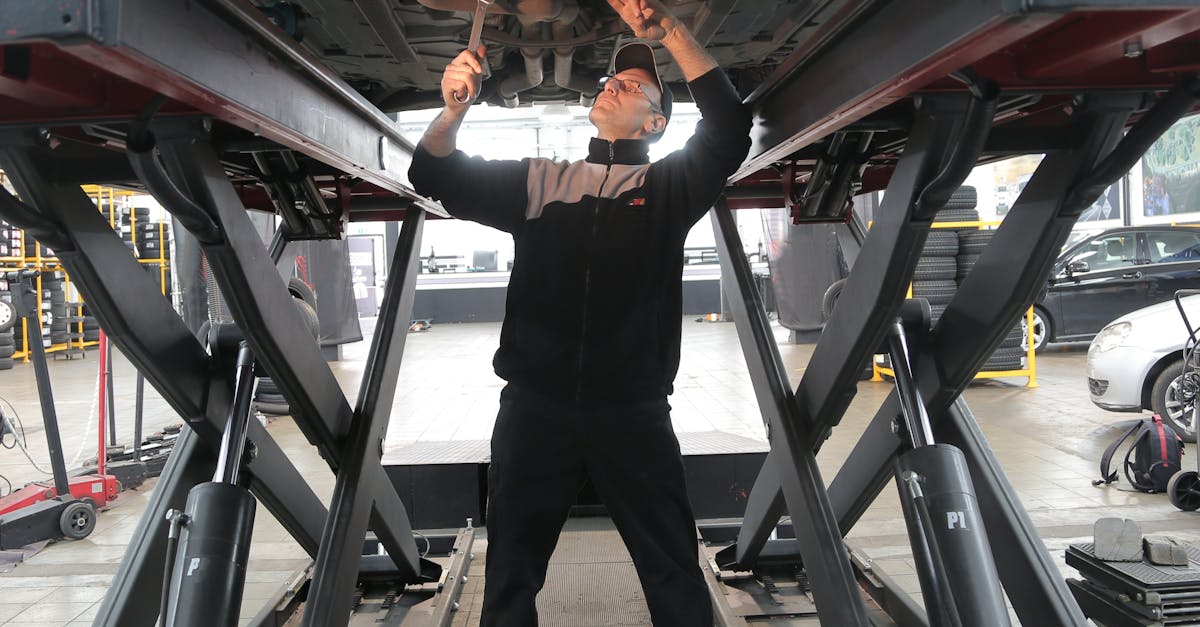
Regular tyre inspections by professionals are crucial for ensuring your vehicle's safety and performance. Trained technicians can identify issues that may not be visible to the average driver, such as internal structural damage or uneven wear patterns. By catching these problems early, you can prevent further damage that might lead to more costly repairs or even accidents on the road.
Having your tyres inspected periodically also helps to extend their lifespan. Professionals can assess tread depth, check for proper inflation, and evaluate overall condition. With their expertise, they can provide valuable recommendations tailored to your driving habits and the specific demands of your vehicle. This proactive approach to tyre maintenance ultimately contributes to better fuel efficiency and a smoother driving experience.
Benefits of Regular Tyre Check-ups
Regular tyre check-ups play a crucial role in maintaining vehicle safety and performance. They help in identifying wear and tear before it becomes a significant issue. Early detection of problems such as uneven wear, leaks, or structural damage ensures that drivers can address these concerns promptly. This can prevent costly repairs or dangerous blowouts while driving.
In addition to enhancing safety, these inspections can contribute to improved fuel efficiency. Properly maintained tyres facilitate better traction and handling, leading to optimal fuel consumption. Regular check-ups can also extend the lifespan of your tyres, allowing for better cost-effectiveness over time. Investing in routine inspections ultimately promotes a smoother driving experience and peace of mind on the road.
FAQS
How often should I check my tyres for damage?
It's recommended to check your tyres for damage at least once a month or before long trips. Regular inspections can help identify issues early, ensuring your safety on the road.
What are the signs that I need to replace my tyres?
Signs that indicate you may need to replace your tyres include visible sidewall damage, tread wear indicators being flush with the tread, cracks, bulges, or any signs of uneven wear.
Do I need to change my tyres with the seasons?
Yes, changing your tyres according to the seasons is advisable. For instance, winter tyres are beneficial in cold, icy conditions, while summer tyres perform better in warmer weather.
How can I tell if my tyre tread is too worn?
You can check your tyre tread by using the "penny test". Insert a penny into the tread grooves; if you can see the top of the Queen's head, your tread is too worn, and it's time for a replacement.
What are the benefits of having professional tyre inspections?
Professional inspections can help identify issues that you might miss, ensure that your tyres are properly balanced and aligned, and extend the lifespan of your tyres through expert advice and maintenance.
Related Links
How Weather Conditions Affect Tyre PerformanceThe Role of Tyre Pressure in Fuel Efficiency
Common Tyre Myths Debunked
The Benefits of Tyre Rotation for Longevity
A Guide to Wheel Alignments and Their Benefits