When to Replace Your Brake Lines
Table Of Contents
Professional vs. DIY Brake Line Replacement
Deciding whether to handle brake line replacement yourself or enlist a professional can significantly affect the outcome and safety of your vehicle. DIY enthusiasts often appreciate the satisfaction of completing automotive repairs independently, coupled with the savings on labour costs. However, brake lines are crucial for a vehicle’s safety, and a mistake in installation or material choice can lead to catastrophic failures. Knowledge, tools, and experience play a vital role in ensuring brake lines function correctly and reliably.
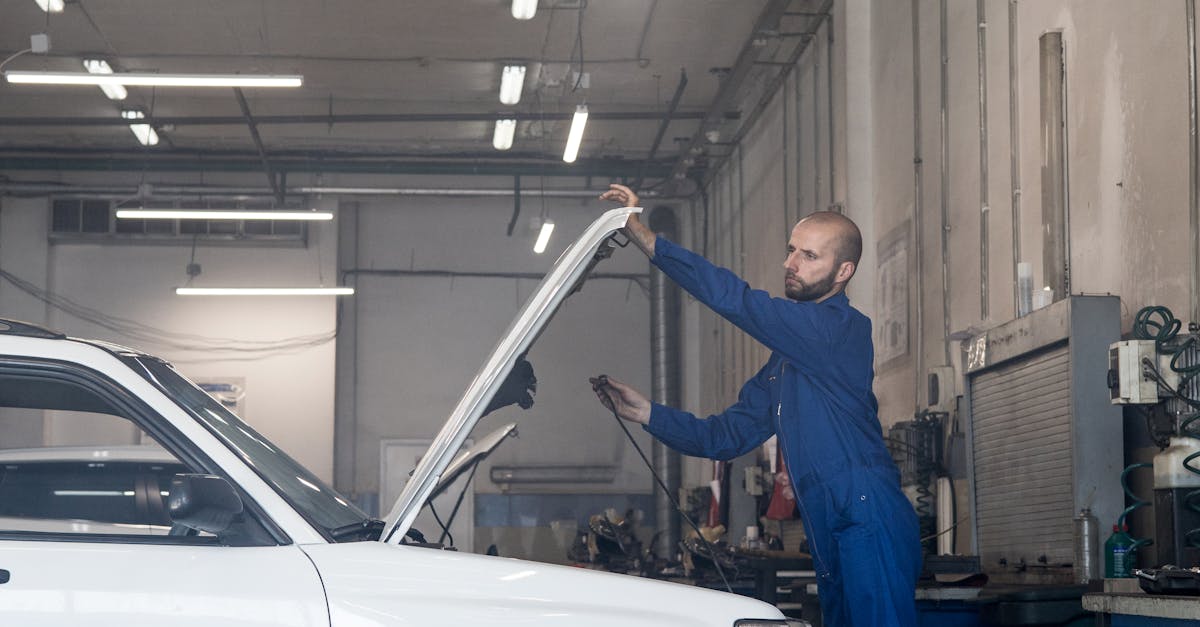
On the other hand, hiring a professional provides peace of mind, as certified mechanics possess the expertise and specialised equipment to carry out the task safely. They can accurately diagnose any underlying issues that might not be immediately apparent. While this option incurs higher costs, it eliminates the stress of navigating the complexities of brake line replacement. In some cases, opting for professional help can ultimately prove to be a wise investment in both time and safety.
Weighing the Pros and Cons
Replacing brake lines can be a significant undertaking. For those with experience in car maintenance, tackling the replacement themselves may offer a sense of accomplishment and potential savings on labour costs. However, this option requires a firm grasp of automotive mechanics and safety protocols. A misstep during installation can lead to severe complications down the line, potentially jeopardising the vehicle’s performance and the driver’s safety.
On the other hand, hiring a professional mechanic provides peace of mind. An experienced technician will possess the right tools and expertise to ensure a proper fit and function. While this route incurs additional costs, the assurance of quality workmanship can often outweigh the financial aspect. This approach helps in maintaining manufacturer warranties and could prevent future issues that might arise from improper installation. Evaluating personal skill levels and financial implications is crucial in making the right choice.
The Brake Line Replacement Process
Replacing brake lines can seem daunting for many, but breaking the process down into manageable steps can simplify the task. First, it is essential to safely elevate the vehicle and secure it with jack stands. This ensures proper access to the brake components alongside reducing any risks during the job. Once the vehicle is stable, it is advisable to remove the wheels to gain unobstructed view of the brake system. Careful inspection of the existing brake lines may reveal whether they are corroded or damaged, indicating the need for replacement.
After identifying the areas needing attention, the next step involves disconnecting the old brake lines. Using the appropriate tools, such as line wrenches, will help avoid rounding off the fittings. It is also crucial to have a container on hand to catch any brake fluid that may leak during the disconnection process. Installation of new brake lines should follow, ensuring all fittings are secure and that the line runs free of kinks or bends. Finally, it’s important to bleed the brake system effectively to remove any air bubbles, guaranteeing proper brake operation.
Step-by-Step Guide
Start by gathering all necessary tools and materials. You will need a brake line kit, wrenches, a flare nut wrench, and a brake fluid reservoir. Ensure your vehicle is on a flat surface and securely lifted with jack stands. Begin by locating the damaged brake line and assessing its condition. Remove any protective covers to gain clear access.
Next, carefully detach the old brake line from the brake caliper and master cylinder. Use the flare nut wrench to avoid stripping the nuts. Once the old line is out, compare it with the new line to confirm appropriate lengths and fittings. Install the new line, tightening the connections securely but not excessively. After installation, refill the brake fluid reservoir and bleed the brakes to eliminate any air in the system, ensuring optimal performance.
Choosing the Right Brake Line Material
Selecting the appropriate material for brake lines is crucial for vehicle safety and performance. Steel tubing is a popular choice due to its strength and resistance to failure under high pressure. It is also more affordable and widely available. However, steel can be prone to corrosion, particularly in environments with high moisture or road salt exposure, necessitating regular inspections and potential replacements.
In contrast, stainless steel offers improved resistance to rust and has a longer lifespan, making it an ideal choice for those in humid or coastal climates. For high-performance vehicles, braided stainless steel lines provide increased flexibility and responsiveness, enhancing braking performance. While they come at a higher cost, their durability and reliability often justify the investment for serious automotive enthusiasts. Ultimately, the selection should consider both the budget and driving conditions.
Comparing Different Options
When selecting brake line materials, the most common options are steel, stainless steel, and copper-nickel. Steel offers strength and durability but is prone to corrosion over time. Stainless steel, while more resistant to rust, can be pricier and may not provide as much flexibility, making installation more challenging. Copper-nickel, on the other hand, combines corrosion resistance with flexibility, making it an increasingly popular choice among car enthusiasts and mechanics.
Additionally, it is essential to consider the specific needs of your vehicle and driving conditions when making a choice. For instance, if you live in an area with harsh winters that involve road salt, a more corrosion-resistant material may be preferable. Conversely, in mild climates, standard steel may suffice. Evaluating factors such as budget, climate, and the vehicle's requirements will help you make an informed decision regarding the best brake line material for your situation.
FAQS
How often should I inspect my brake lines?
It is recommended to inspect your brake lines at least once a year or during regular vehicle servicing. Additionally, if you notice signs of rust, leaks, or any unusual braking performance, you should check them immediately.
What are the signs that my brake lines need replacing?
Signs that your brake lines may need replacing include visible rust or corrosion, fluid leaks, a spongy brake pedal, or a warning light on your dashboard. If you experience any of these symptoms, it's important to have your brake lines inspected by a professional.
Can I replace my brake lines myself?
Yes, you can replace your brake lines yourself if you have the necessary tools and knowledge of the process. However, it can be complex and requires attention to detail, so if you're unsure, it's advisable to seek help from a professional mechanic.
What materials are best for brake lines?
The most common materials for brake lines are steel, stainless steel, and copper-nickel. Each has its own benefits and drawbacks, so it's important to consider factors such as durability, resistance to corrosion, and ease of installation when choosing the right material for your vehicle.
How much does it typically cost to replace brake lines?
The cost to replace brake lines can vary widely depending on the make and model of your vehicle, the type of brake lines used, and labour costs. On average, you can expect to pay between $150 to $300 for parts and labour, but it's best to get a quote from a local mechanic for an accurate estimate.
Related Links
The Role of Brake Fluid in Vehicle SafetyA Guide to Disc and Drum Brake Repairs
Top Tips for Maintaining Your Braking System
Understanding the Different Types of Brake Systems
Signs That Indicate Your Brake System Needs Immediate Attention
The Process of Brake Rotor Resurfacing Explained
How to Choose the Right Brake Pads for Your Car
The Importance of Regular Brake Inspections