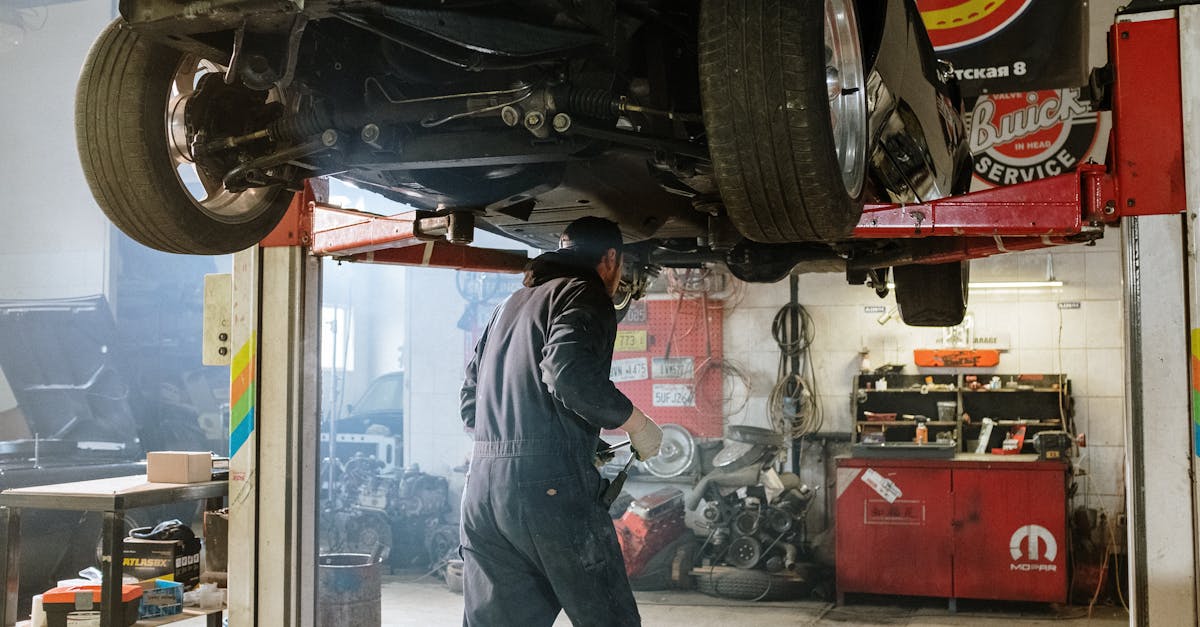
Understanding the Importance of Mechanics' Training Programs
Table Of Contents
Industry Standards and Certifications
In the ever-evolving field of mechanics, adherence to industry standards and certifications plays a pivotal role in ensuring quality and safety. Formal qualifications are often a prerequisite for many employers, as they provide a benchmark for skills and knowledge. Various governing bodies establish these standards, ensuring that mechanics are equipped with relevant competencies to handle modern technologies and industry practices. Qualifications like Certified Automotive Technician and others serve as essential indicators of a mechanic's capability and reliability.
Certification programs often blend theoretical knowledge with practical training, enabling participants to develop a comprehensive skill set. These programs can lead to specialisations that enhance employability in competitive job markets. Furthermore, many industries require ongoing professional development to keep abreast of technological advancements and regulatory changes. Thus, obtaining and maintaining relevant certifications ensures mechanics remain at the forefront of their field, ready to meet the demands of modern vehicle maintenance and repair.
Importance of Accreditation in Training
Accreditation serves as a benchmark for quality and reliability in mechanics' training programs. It assures both students and employers that the training meets established industry standards. Accreditations often require adherence to rigorous guidelines and continuous evaluations, ensuring that educational institutions maintain a high level of instruction. This not only enhances the credibility of the training provider but also instills confidence in the skills acquired by the graduates.
In addition to ensuring quality, accreditation can significantly impact employability. Employers frequently seek candidates from accredited programs as they come with an assurance of competence and readiness for the workplace. As the automotive industry evolves with new technologies, accredited training programs help ensure that mechanics are equipped with up-to-date knowledge and skills, making them valuable assets in a competitive job market.
The Future of Mechanics' Training
As technology advances, the landscape of mechanics’ training will continue to evolve. New tools and techniques emerge regularly, underscoring the need for updated training programs. With electric and hybrid vehicles gaining traction, mechanics must adapt their skills to accommodate these changes. Incorporating courses on alternative fuels and advanced diagnostics will be crucial. This shift will not only enhance the skill set of mechanics but also improve their employability in an increasingly competitive market.
The integration of virtual reality and augmented reality into training modules will also play a significant role in shaping future educational practices. These technologies offer immersive learning experiences, allowing trainees to engage with systems in ways traditional methods cannot. By simulating real-life scenarios, new mechanics can gain hands-on experience without the associated risks. This innovative approach to training is expected to bridge the gap between theoretical knowledge and practical application, ultimately preparing mechanics for the challenges ahead.
Embracing Continuous Education
The automotive industry is constantly evolving, which necessitates ongoing education for mechanics. Advances in technology, such as electric vehicles and advanced diagnostic equipment, require mechanics to upgrade their skills regularly. By participating in workshops, online courses, and certification programs, mechanics can stay informed about the latest trends and techniques. This commitment to learning not only enhances their expertise but also increases job security in a competitive job market.
Employers increasingly recognise the value of continuous education. Businesses benefit from having highly skilled mechanics who can adapt to new challenges and innovations. This, in turn, leads to improved service quality and customer satisfaction. As the demand for specialised knowledge grows, mechanics who prioritise lifelong learning position themselves advantageously for career progression. Investing time in education builds confidence and expertise, ultimately contributing to personal and professional growth in the field.
Challenges Faced by New Mechanics
Entering the mechanics field presents various hurdles for newcomers. These challenges often stem from a lack of hands-on experience, which is crucial in developing the necessary skills. Understanding complex diagnostic equipment and repair procedures can be overwhelming. Many new mechanics find it difficult to apply theoretical knowledge to practical situations, leading to frustration and decreased confidence.
Additionally, the fast-paced evolution of automotive technology complicates matters further. New mechanics must continuously adapt to advancements in electric vehicles and digital systems. This dynamic environment can create a sense of uncertainty for those just starting their careers. Without proper training and mentorship, these individuals may struggle to keep up with industry expectations and lose motivation.
Bridging the Skill Gap Through Training
The skill gap in the mechanics industry presents a significant challenge as technology evolves rapidly. Training programs designed to address these discrepancies are crucial for ensuring that new mechanics acquire essential skills. These programs focus on modern techniques, diagnostic tools, and the latest automotive technologies. By implementing a curriculum that reflects industry advancements, training institutions can better prepare students for real-world scenarios.
Hands-on experience is equally important in bridging the skill gap. Apprenticeships and internships provide practical training alongside theoretical knowledge. This combination enhances the learning experience and builds confidence among new mechanics. Engaging with seasoned professionals during training can also impart invaluable insights, making graduates more competitive in the job market. Consistent upskilling opportunities will further support the ongoing development of mechanics throughout their careers.
FAQS
What are mechanics' training programs?
Mechanics' training programs are structured educational courses designed to equip individuals with the necessary skills and knowledge to perform maintenance and repairs on vehicles and machinery.
Why is accreditation important in mechanics' training?
Accreditation ensures that training programs meet industry standards and regulations, which helps to guarantee the quality of education and skills acquired, ultimately leading to better job opportunities for graduates.
How does continuous education benefit mechanics?
Continuous education allows mechanics to stay updated with the latest technologies, tools, and industry practices, ensuring they remain competitive and proficient in their field as advancements occur.
What challenges do new mechanics face in the industry?
New mechanics often face challenges such as a lack of hands-on experience, difficulty in understanding complex systems, and the need to adapt to rapidly changing technologies.
How can training programs help bridge the skill gap in the mechanics industry?
Training programs can provide targeted education and practical experience that address specific skill gaps, enabling new mechanics to acquire the competencies needed to succeed in their careers.
Related Links
Questions to Ask About Your Mechanic's QualificationsHow to Assess a Mechanic's Professional Credentials
The Impact of Qualifications on Vehicle Repairs
Exploring the Different Types of Mechanic Certifications
Red Flags in a Mechanic's Certification Status
How to Find Qualified Mechanics in Sydney
The Role of Industry Accreditations in Choosing Your Mechanic