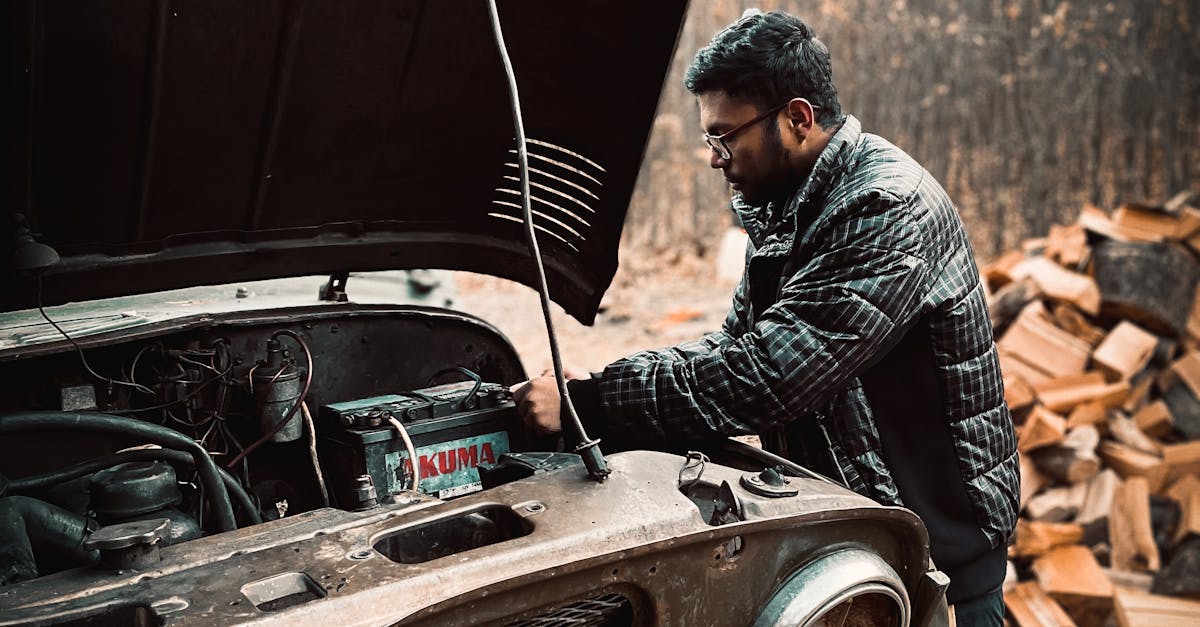
The Importance of Addressing Fluid Leaks Promptly
Table Of Contents
Steps to Take When You Discover a Leak
Discovering a fluid leak can be alarming, but taking quick, decisive action is crucial. Begin by identifying the type of fluid leaking, as this information will inform your next steps and safety precautions. Common fluids include oil, coolant, brake fluid, and transmission fluid, each requiring specific attention. Ensure that you are in a safe environment. If the leak poses an immediate hazard, consider moving away from the area and securing it to prevent others from getting too close.
Once you have taken safety measures, it is essential to assess the severity of the leak. If it is minor and you have the knowledge to address it, you might attempt a temporary fix, such as using a sealant or patching a small hole. If it appears to be more significant, contacting a professional mechanic should be a priority. Documenting the leak with photographs can also be beneficial for both your records and any potential discussions with a service provider.
Immediate Actions for Safety
Upon discovering a fluid leak, prioritising safety should be your first concern. If the leak poses a risk to your immediate environment, such as creating a slippery surface or being close to an ignition source, evacuate the area. Ensure pets and children are relocated to a safe distance while you assess the situation. Wearing appropriate protective gear is crucial. This includes gloves and, if necessary, a mask to protect against inhalation of fumes.
If the leak involves hazardous fluids, such as oil or coolant, avoid direct contact and be cautious when moving near the affected area. It may be wise to inform other occupants of the situation, especially if shared spaces are involved. If the leak continues or worsens, consider shutting off the relevant systems—such as the engine or water supply—to mitigate further risks. Documenting the leak with photos can also be helpful for future reference, especially if professional assistance is needed.
Professional vs. DIY Solutions
DIY solutions can be appealing for those looking to save money and tackle issues on their own. Identifying the source of a leak and using temporary fixes such as tape or sealants may provide a quick relief. However, this approach often lacks the thoroughness needed to ensure a lasting solution. Home mechanics might stop leaks for a while, but underlying issues can remain unaddressed and escalate over time.
Engaging a professional may come with a higher initial cost, yet it guarantees access to expertise and appropriate tools. Experienced technicians can accurately diagnose leaks and recommend durable repairs, addressing potential complications effectively. Choosing this route often leads to comprehensive solutions, reducing the likelihood of future leaks and ensuring the vehicle operates safely and efficiently.
When to Call a Mechanic
Identifying the right time to consult a mechanic can save both time and money. If the leak is persistent, extensive, or accompanied by unusual noises, it is wise to seek professional assistance. Certain fluids, such as oil or transmission fluid, can cause significant damage to your vehicle if left unattended. A qualified mechanic can perform a thorough inspection, determining the root cause of the leak and providing a reliable solution.
In some cases, DIY fixes may seem feasible; however, complexities can arise that require expert knowledge. If you're unsure about the nature of the leak or lack the necessary tools and skills, hesitating to call a mechanic is often the best approach. Addressing fluid issues early with professional help can prevent serious complications that might lead to costly repairs down the line.
Preventative Measures to Avoid Fluid Leaks
Regular inspections of a vehicle can significantly reduce the likelihood of fluid leaks. Checking hoses, seals, and gaskets for wear and deterioration helps catch potential problems before they escalate. Keeping an eye on fluid levels in the engine and transmission can also alert owners to any unusual changes that may indicate an underlying issue. A proactive approach not only extends the lifespan of various components but also enhances overall vehicle performance.
Conducting routine maintenance is crucial for leak prevention. Scheduled oil changes and coolant system flushes ensure that fluids remain clean and at appropriate levels. Additionally, replacing worn-out parts promptly can minimise the risk of leaks developing. Familiarity with the vehicle’s maintenance schedule allows owners to stay ahead, maintaining both safety and efficiency on the road.
Regular Maintenance Practices
Regularly checking fluid levels is essential for preventing leaks in vehicles. This involves inspecting engine oil, coolant, brake fluid, and transmission fluid. Make it a habit to examine these levels, as well as tightness of hoses and connections. Notice any signs of wear or corrosion that might indicate potential issues. Keeping a maintenance log can help track fluid changes and highlight any unusual patterns over time.
Scheduled services play a crucial role in sustaining vehicle health. Mechanics typically review seals and gaskets during routine check-ups, which can help identify problems before they escalate. Changing filters and fluids at recommended intervals contributes significantly to overall vehicle performance and longevity. Staying committed to these practices ensures that minor concerns are addressed promptly, reducing the risk of leaks developing into more significant problems.
FAQS
Why is it important to address fluid leaks promptly?
Addressing fluid leaks promptly is crucial to prevent further damage to your vehicle, maintain safety on the road, and avoid costly repairs. Leaks can lead to significant mechanical issues and pose risks to both the driver and other road users.
What immediate actions should I take if I discover a leak?
If you discover a leak, the first step is to ensure your safety by moving the vehicle to a safe location. Turn off the engine and check for any visible fluid pooling. If the leak is significant, consider using warning triangles to alert other drivers and avoid driving the vehicle until it has been assessed.
How can I determine whether to attempt a DIY repair or call a professional?
If you have experience with vehicle maintenance and the leak appears minor, you may consider a DIY repair. However, if the leak is substantial, you are unsure of the cause, or if it involves critical systems like brakes or transmission, it's best to call a professional mechanic.
What are some common signs that I should call a mechanic about a leak?
You should call a mechanic if you notice a large puddle of fluid under your vehicle, any change in vehicle performance (like difficulty steering or braking), unusual noises, or if the fluid appears to be a dark, thick oil or red transmission fluid.
What preventative measures can I take to avoid fluid leaks in the future?
Regular maintenance practices such as changing fluids according to the manufacturer’s recommendations, inspecting hoses and seals for wear, and having your vehicle serviced regularly can help prevent fluid leaks. Keeping an eye on fluid levels and addressing any minor issues promptly is also important.
Related Links
Signs That Your Car Battery Might Be DyingCommon Symptoms of Brake Failure to Watch For
When to Seek Help for Electrical Issues in Your Car
How to Tell If Your Tyres Are Worn Out
Recognising the Need for Alignment or Suspension Checks
Understanding Warning Indicators on Your Dashboard
How to Identify Unusual Noises in Your Vehicle
Recognising the Signs of Overheating in Your Engine