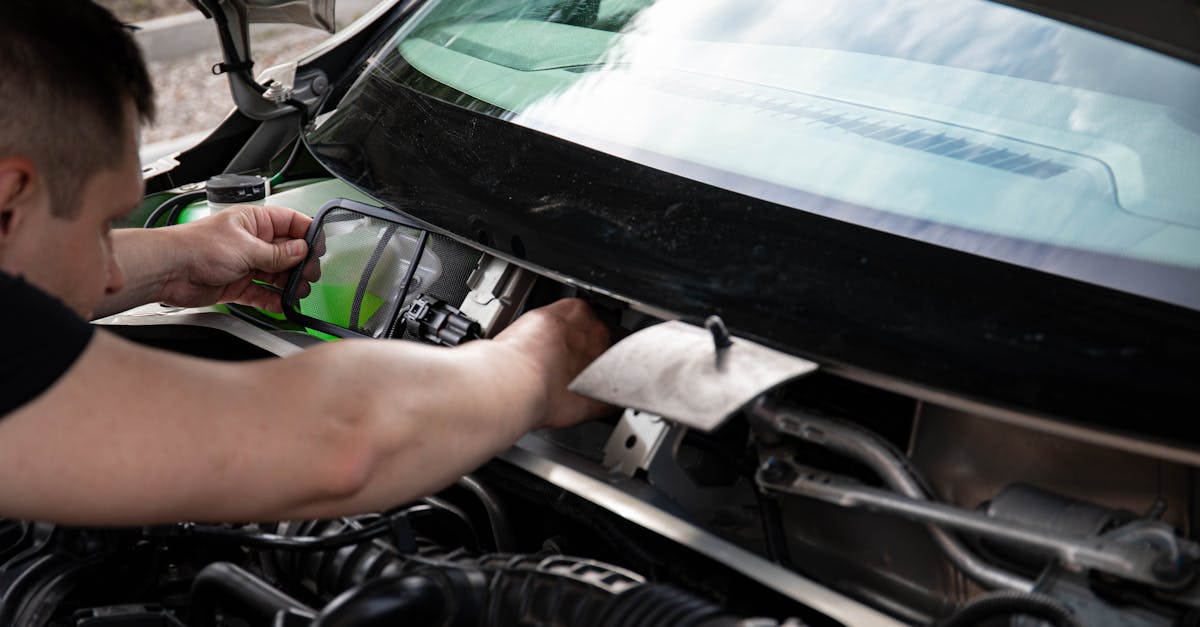
Performing a DIY Air Filter Replacement
Table Of Contents
Common Mistakes to Avoid
Many people underestimate the importance of turning off their HVAC system before attempting to replace the air filter. Failure to do this can lead to dusty air circulating throughout the home immediately after the new filter is installed. It can also potentially damage the system if it is running while filters are being changed.
Another common mistake is selecting the wrong size or type of filter for the system. Using a filter that is too small can leave gaps where unfiltered air may enter, diminishing the effectiveness of the new filter. Likewise, choosing a filter with a higher MERV rating than recommended can restrict airflow, causing strain on the system and leading to higher energy bills.
Tips for a Successful Replacement
Before starting the replacement process, gather all necessary tools and materials. Ensure you have a new filter that matches the specifications of your system. It’s also helpful to have a vacuum cleaner on hand to remove any dust or debris accumulated around the filter area. Additionally, turn off the HVAC system before you begin. This practice helps prevent any issues during the replacement and ensures safety.
During installation, pay close attention to the orientation of the new filter. Most filters have arrows indicating the direction of airflow. Installing the filter incorrectly can reduce its efficiency and potentially damage the system. After securing the new filter in place, check for any visible gaps. If the fit isn’t snug, it could allow unfiltered air to enter, compromising the quality of your indoor air.
How Often Should You Replace Your Air Filter?
Regular maintenance of your air filter is crucial for optimal performance. In general, it is advisable to replace the filter every three months. However, this timeline can change based on factors such as household size, pet ownership, and living environment. Homes with pets or in areas with high dust levels may require more frequent replacements, possibly every month.
Seasonal changes also play a role in determining the ideal replacement frequency. During peak airflow seasons, such as summer and winter, filters often accumulate dust and debris at a faster rate. Keeping an eye on your filter's condition and checking for visible dirt buildup can help ensure efficient air quality. A clean filter not only improves indoor air conditions but can also enhance the efficiency of your heating and cooling systems.
Recommended Replacement Schedule
Most homeowners should consider changing their air filters every three months. However, this timeframe can vary based on factors such as the type of filter used and the specific environment. Households with pets or residents suffering from allergies may need to replace filters more frequently to maintain optimal air quality.
Additionally, seasonal changes can influence replacement frequency. During peak usage periods, such as summer and winter, filters may accumulate dirt and debris more quickly. Regularly checking the filter’s condition every month will help ensure that it performs effectively throughout the year.
Signs Your Air Filter Needs Changing
A noticeable increase in dust accumulation around your home can suggest that your air filter is no longer effectively capturing particles. If you find yourself wiping surfaces more frequently or noticing a layer of dust settling on furniture shortly after cleaning, this may indicate reduced airflow due to a clogged filter.
Another sign to watch for is a decrease in indoor air quality. If you or your family members experience more frequent allergy symptoms or respiratory issues, it could be linked to an air filter that is past its prime. Unpleasant odours from your HVAC system may also arise when the filter is not functioning as it should, signalling the need for replacement.
Indicators of Reduced Efficiency
An air filter that is past its prime often shows signs of reduced efficiency through various indicators. One noticeable change is the decline in the overall air quality within your home. Dust and allergens may accumulate more quickly, causing irritation for those with respiratory conditions. Additionally, you might start to notice an increase in the frequency of system cycling. If your heating, ventilation, and air conditioning system struggles to maintain the desired temperature, this could be a clear sign that the air filter is obstructed and needs replacing.
Another common indicator is a distinct increase in energy bills. When the airflow is compromised due to a clogged filter, the system works harder to generate the necessary air circulation. This added strain not only reduces efficiency but can also lead to more significant wear and tear on your HVAC unit. Checking for unusual odours emanating from the vents can provide further insight. Musty or stale smells may indicate that dirt and moisture have built up in the filter, signalling the need for a timely replacement.
FAQS
How do I know which air filter to buy for my system?
To determine the right air filter for your system, check the dimensions and specifications listed in your owner’s manual or on the existing filter. Additionally, look for the MERV rating to ensure it meets your air quality needs.
Can I replace my air filter myself, or should I hire a professional?
You can definitely replace your air filter yourself as it is a straightforward DIY task. However, if you are unsure or uncomfortable doing it, hiring a professional is always a safe option.
What are the common mistakes to avoid when replacing an air filter?
Common mistakes include not turning off the HVAC system before replacement, selecting the wrong size filter, and neglecting to check the filter's orientation before installation.
How often should I check my air filter?
It is advisable to check your air filter every month, especially during high usage seasons, to assess its condition and determine if it needs changing.
What are the indicators that my air filter needs changing?
Signs that your air filter needs changing include reduced airflow from your vents, an increase in energy bills, and visible dust and dirt accumulation on the filter. Additionally, a musty or smoky smell in your home can also indicate a dirty filter.
Related Links
Understanding the Basics of Car Fluid ChecksEssential Tools Every DIY Car Mechanic Should Have
A Beginner's Guide to DIY Headlight Restoration
Steps to Diagnose and Fix Minor Engine Issues
How to Rotate Your Tyres Without Professional Help
Tips for Inspecting and Replacing Wiper Blades