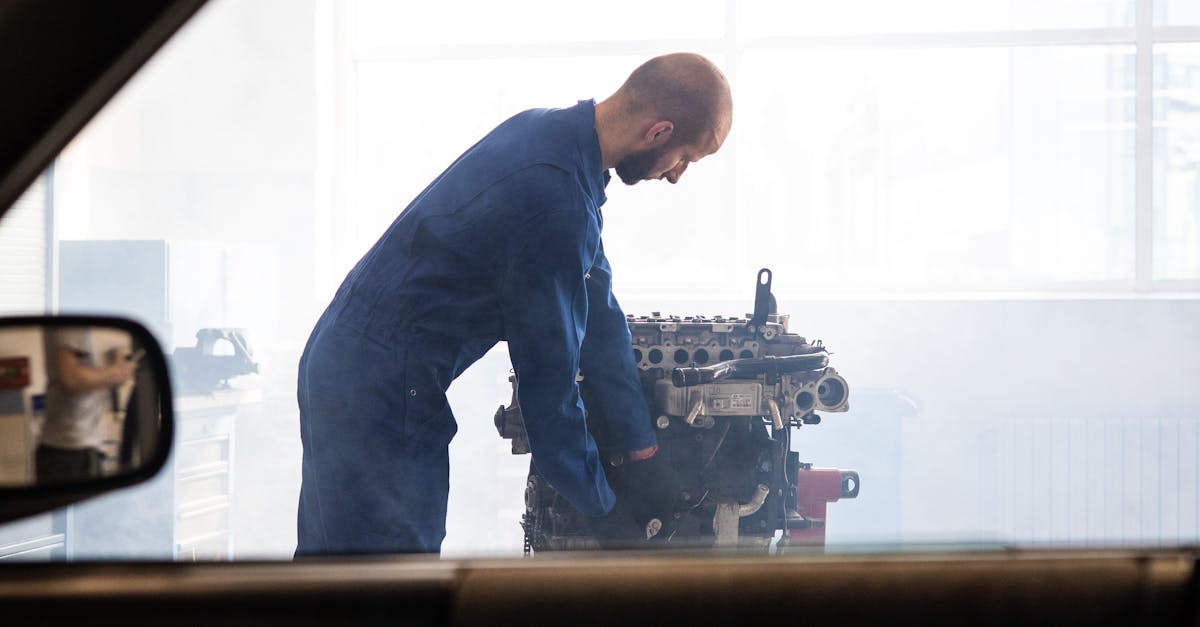
How Mechanic Selections Affect Your Warranty Rights
Table Of Contents
Common Misconceptions About Warranty Rights
Many people believe that any mechanic can perform repairs on their vehicle without impacting warranty coverage. This misconception can lead to difficulties when trying to claim warranty benefits. Manufacturers often specify that service must be performed by licensed mechanics to maintain warranty validity. Ignoring these stipulations can result in denied claims, leaving consumers without recourse when issues arise.
Another common myth suggests that warranties cover all types of repair costs without exceptions. While warranties do provide important protections, they often come with specific conditions and limitations. For instance, wear and tear items like brake pads or tyres typically aren’t covered. Understanding the nuances of warranty terms can help consumers better navigate their rights and avoid unpleasant surprises during claim submissions.
Debunking Myths Surrounding Mechanics and Warranties
Many vehicle owners believe that they must always return to the dealership for repairs in order to keep their warranty intact. This misconception can often lead to unnecessary expenses. In reality, consumers have the right to choose any qualified mechanic for service without invalidating their warranty, as long as genuine parts and proper practices are used. The key lies in maintaining accurate records of all repairs and services conducted on the vehicle.
Another prevalent myth is that warranties cover all types of repairs and costs associated with vehicle issues. While warranties do provide coverage for specific defects and failures, they often come with exclusions. It’s essential for vehicle owners to read the fine print and understand the terms of their warranty thoroughly. Misunderstanding these details can lead to frustration when a claim is made, and it is discovered that the repair falls outside of the coverage.
What to Do When a Warranty Claim is Denied
Experiencing a denial of your warranty claim can be frustrating. It’s essential to first thoroughly review the denial letter. This document usually outlines specific reasons for the rejection. Understanding these reasons will provide clarity and help you determine your next steps. Documentation is key in this process. Gather all related paperwork, including your warranty contract, service records, and any correspondence with the service provider.
After reviewing the details, consider reaching out to the manufacturer or warranty provider to discuss the denial. Ask for a detailed explanation and highlight how your circumstances meet the warranty terms. If necessary, escalate the matter to a higher authority within the company. Should you feel that your case has not received the proper consideration, seeking advice from a consumer protection agency or legal expert may be a viable option. They can offer guidance based on your unique situation and potentially assist in appealing the decision.
Steps to Take After a Rejected Warranty Application
Receiving a rejection on a warranty claim can be frustrating. The first step is to thoroughly review the denial letter, which usually outlines the reasons for the decision. Understanding these reasons is crucial as it helps in determining whether the claim was incorrectly rejected or if further action is warranted. Gather any documentation related to the claim, including receipts and records of maintenance services. This information may prove essential in contesting the decision.
Once you've completed your review, consider contacting the warranty provider to discuss the denial. Be prepared to ask specific questions about the rejection. Inquire about the criteria used in evaluating your claim and clarify any misunderstandings. If the response remains unsatisfactory, escalate the issue to a supervisor or manager within the warranty company. Should this not yield results, you might explore lodging a complaint with a consumer protection agency. Engaging legal advice could also be a practical step if you believe your rights are being infringed upon.
The Importance of Regular Maintenance for Warranty Validity
Routine maintenance plays a crucial role in preserving warranty validity. Many warranties stipulate that regular servicing by a certified technician is mandatory to keep protection intact. Failure to adhere to these requirements can lead to unexpected denials of claims. For consumers, this highlights the importance of understanding the specific conditions that apply to their vehicle’s warranty.
Being proactive about vehicle care not only ensures optimal performance but also safeguards warranty rights. Scheduled inspections, oil changes, and necessary repairs all contribute to maintaining manufacturer standards. Documenting all service history becomes essential should warranty issues arise. A well-maintained vehicle is less likely to face mechanical failures, leading to fewer warranty claims and peace of mind for the owner.
How Routine Servicing Influences Warranty Status
Regular maintenance plays a crucial role in preserving warranty coverage. Many vehicle manufacturers stipulate that specific services must be conducted within set intervals. This includes oil changes, filter replacements, and inspections. Failure to adhere to these service requirements can lead to a denial of warranty claims, as manufacturers may argue the issues arose from neglect or misuse.
Choosing an authorised mechanic for servicing can further influence warranty status. Many warranties explicitly state that repairs performed by non-approved technicians may void parts of the warranty. Using an authorised service provider ensures compliance with manufacturer specifications and helps maintain your rights under the warranty. Documenting all services performed, along with receipts and service records, is essential for safeguarding warranty claims in the future.
FAQS
How can choosing the wrong mechanic affect my warranty rights?
Selecting a mechanic who is not authorised or certified by your vehicle's manufacturer can lead to potential warranty claim denials. It's important to ensure that any repairs or services are performed by professionals who meet the manufacturer's requirements to maintain warranty coverage.
Are there specific types of maintenance that I must perform to keep my warranty intact?
Yes, most warranties require regular maintenance as outlined in your owner's manual. This typically includes oil changes, tyre rotations, and other essential services. Failing to adhere to these guidelines may jeopardise your warranty rights.
What should I do if my warranty claim is denied?
If your warranty claim is denied, you should first contact the warranty provider to understand the reasons for the denial. Gather any relevant documentation, such as service records and receipts, and consider appealing the decision or seeking assistance from a consumer protection agency.
Can I perform my own vehicle maintenance without affecting my warranty?
While you may perform your own maintenance, it's crucial to keep detailed records and ensure that you follow the manufacturer's guidelines. However, any significant repairs should ideally be done by an authorised mechanic to avoid complications with warranty claims.
How does regular servicing impact my warranty status?
Regular servicing is vital for maintaining your warranty status. It demonstrates that you have cared for your vehicle as per the manufacturer's recommendations, which can help protect your rights should you need to make a warranty claim in the future.
Related Links
Understanding Common Warranty Terms and Conditions for CarsKey Questions to Ask About Warranty Coverage Before Service
What to Do If Your Mechanic Violates Warranty Agreements
Essential Tips for Navigating Warranty Claims with Mechanics
How to Ensure Warranty Compliance During Car Repairs
Exploring the Impact of Warranty on Mechanic Recommendations
Comparing Manufacturer Warranties and Independent Mechanic Policies
The Role of Warranty History in Choosing a Reliable Mechanic
What to Look for in a Car Warranty When Choosing a Mechanic